Garment exports: CMT, FOB, ODM and moving up the value chain
Textiles and apparel are a key Vietnamese export. The export production models, the main markets and how small businesses can join the supply chain.
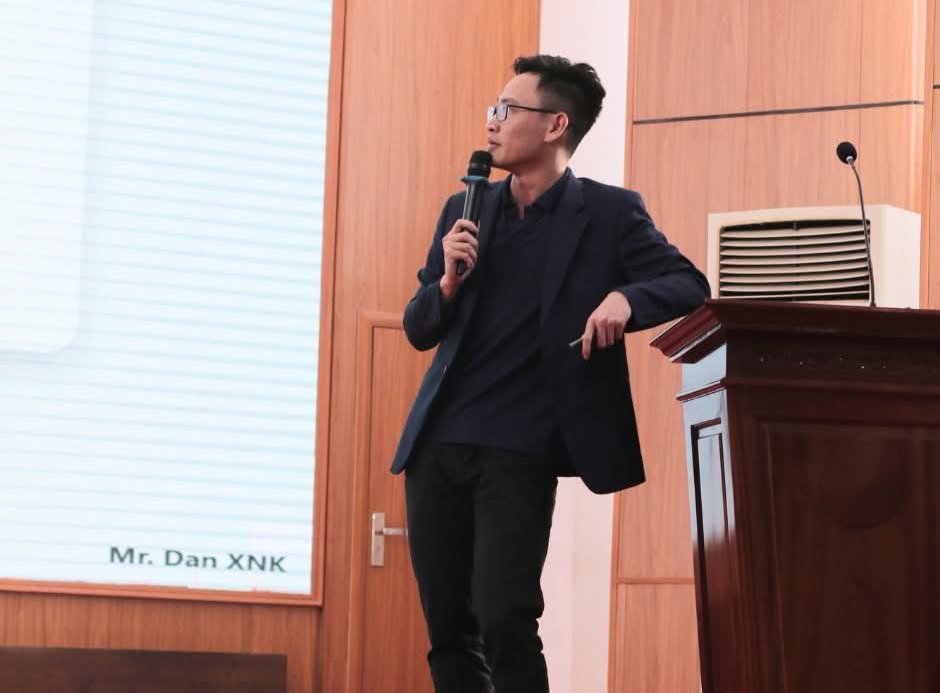
Mr. Dan10+ years of export experience
Textiles and apparel are among Vietnam's largest export industries, with the US, the EU, Japan, Korea, Canada and China as the main markets. Businesses can take part in several ways.
Export production models
- CMT (cut, make, trim): the buyer supplies the materials and you only cut, sew and finish. Little capital, low risk, but low value added.
- FOB: you buy the materials to the buyer's requirements, produce and ship. More value added, but needs capital and sourcing capability.
- ODM: you design and develop styles and propose them to buyers. Higher value still.
- OBM: you produce and sell under your own brand.
Markets and requirements
- US: the largest market, with big orders and requirements on product safety, labelling (fibre content, origin, care instructions), social responsibility and rules on the origin of raw materials.
- EU: EVFTA tariff preferences when rules of origin are met; strong trends towards sustainability, circularity and supply chain transparency.
- Japan: very high quality requirements and rules of origin under the trade agreements.
- Korea, Canada, Australia and other CPTPP markets.
Where small businesses start
- Work as subcontractors for larger companies to learn processes and standards.
- Focus on niche products: sportswear, workwear, children's clothing, handmade fashion, natural-material products.
- Obtain the basic social compliance certifications buyers usually require.
Costs and pricing
- Quote each style based on material consumption, sewing time (SMV), labour, overheads and profit.
- Understand the buyer's quality inspection standard, usually AQL.
Trends
- Sustainability: recycled and organic fabrics, fewer chemicals, less water and energy.
- Traceability right back to the yarn and cotton.
- Small, varied, fast orders: an opportunity for flexible workshops.