Building linked raw material areas with cooperatives and farmers
Exporters can't guarantee quality if they just buy on the open market. Partnership models, offtake contracts and how to build lasting relationships with farmers.
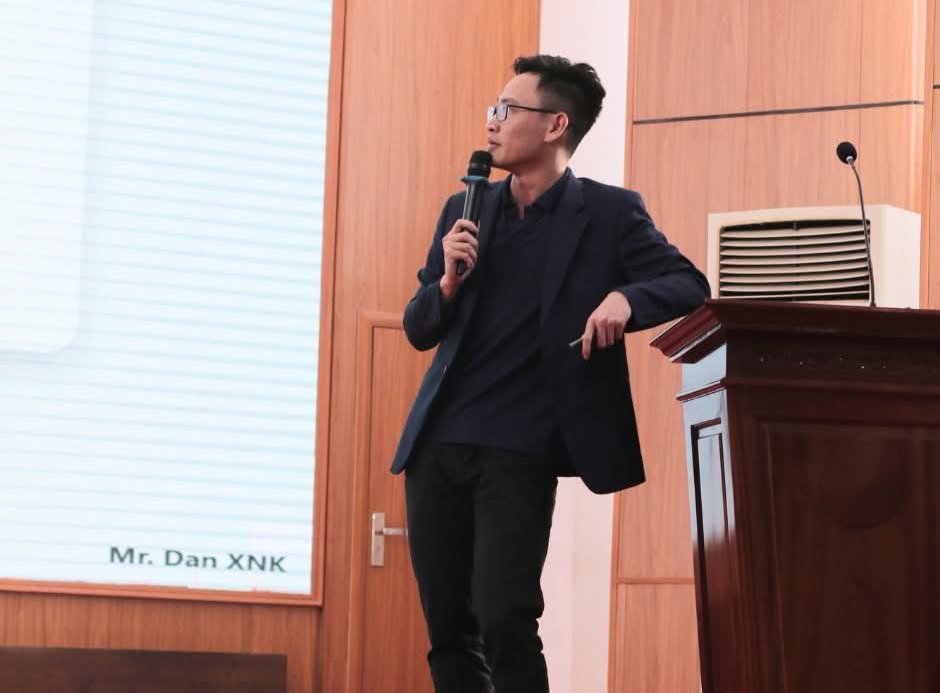
Mr. Dan10+ years of export experience
Importers increasingly require traceability, residue control and certified growing areas. These are only possible when exporters work closely with their raw material areas.
Partnership models
- Company – cooperative – farmers: the company contracts with a cooperative, which organises farmers to produce to the agreed process.
- Company working directly with farm households: suits medium-sized areas.
- Company investing in its own growing area: the most control, but needs a lot of capital and land.
What the partnership contract covers
- The production process and the list of permitted inputs.
- Quality standards and how produce is graded at purchase.
- Purchase price: a fixed price, a floor price, or the market price plus a quality bonus.
- Company support: seeds, inputs, technical help, advances.
- Offtake commitment and payment timing.
- What happens when the market moves sharply.
Why partnerships fail
- When the market price rises above the contract price, farmers sell to traders.
- When prices fall, companies don't buy as committed.
- Opaque grading and late payment.
Building lasting relationships
- A flexible price mechanism that shares the gains when prices rise and the risks when they fall.
- On-time payment and transparent grading.
- Real technical support that helps farmers raise yield and quality.
- Long-term commitment, treating farmers as partners, not just sellers.
Benefits for exporting
- Registered growing area codes, GlobalG.A.P. and organic certification.
- Control over volume and quality, so you can make long-term commitments to buyers.
- A story of partnership and community development, a big plus with buyers who care about sustainability.